
How Top Brands Pick Their Hex Codes: Case Study of 5 Big Names
Introduction
That first flash of color sticks in your mind long before you catch the logo or spelling. Think about it – why does one site feel soothing while another sparks urgency? A single six-digit code holds more weight than most realize. Behind every bold red or quiet gray sits hours of testing, psychology, and market research. Take five well-known companies. Each shade they use wasn’t picked by accident – it was shaped by intent. These tones whisper messages about reliability, spark reactions without words, stay remembered after just one glance.
Color choices start with more than luck. Behind every shade lies studies on human behavior, feedback from real users, deep looks into traditions, and repeated trials under pressure. If designing visuals, shaping messages, or building an identity sits part of your work, then seeing how giants settle on exact tones might shift how you approach your next move.
Hex Codes Influence Brand Identity
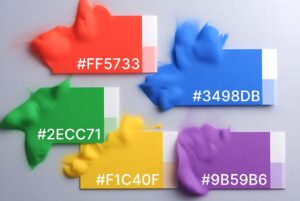
Hex codes matter more than most realize when exploring brand examples. Understanding their role comes first, before anything else.
- Color stays the same on every screen they handle. Their method keeps shades steady through different devices. Screens show matching tones thanks to their approach. Matching hues happen automatically across systems they support. Every platform reflects identical colors by design
- Brand familiarity stays strong because of them
- They influence user behavior and emotions
“Color increases brand recognition by up to 80%.” – University of Loyola Study
Here’s the reason the subject Choosing colors like major companies do: a look at five well-known ones matters now more than ever in brand building.
How Major Brands Choose Their Hex Colors Through Examples of Five Companies
Five big brands around the world picked special color codes. Look at each one to see what influenced their choices. Color mattered for identity, so decisions were intentional. Each shade tells a story about purpose. Study them closely to uncover reasoning behind the selections.
Facebook now meta the color blue matters
Primary Hex Code
- 1877F2
Facebooks Color Choice Was Blue
Blue on Facebook? Not random. Mark Zuckerberg can’t see red-green well, so blue stands out clearly for him. Still, that’s not the whole story.
Color and How People Feel
- Blue symbolizes trust, stability, and security
- Sharing private details becomes easier when trust is built slowly. A calm space makes people open up without pressure. Safety grows where respect leads. Comfort comes through clear actions, never promises. Trust builds best in quiet moments
Key Takeaway
Blue on Facebook stands for trust, steady feelings – good fit for a site moving through oceans of private info.
Coca Cola red sparks emotion
Primary Hex Code
- F40009
Why Coca Cola Is Red
For years, Coca-Cola’s red stayed almost exactly the same – showing how strong steady choices can be.
Color and How People Feel
- Bursting into a room, red pushes your heart faster. It wakes up hunger while lighting a fire under stillness. Not every color shouts so loud before breakfast
- Right away, it stands out when surrounded by clutter on display racks
Brand Strategy Insight
From Tokyo to Toronto, red makes Coke impossible to miss. Though words differ across borders, the color bridges every gap. Wherever you are, that bold shade claims attention first.
Here is how a color code might last forever. When feeling meets function, something sticks. Not every shade does this. A strong choice connects mood to meaning. It works because it feels right. That moment – when design matches intent – is rare. Some get lucky. Others plan for that click between eye and heart.
Apple Uses Soft Colors for Simple Look
Primary Hex Codes
- 000000 (Black)
- FFFFFF (White)
- A2AAAD (Space Gray)
Apple Stays Minimal
White space breathes life into Apple’s designs. Quiet tones take center stage – no need for noise.
How Colors Affect Feelings
- Darkness wraps around power like a tailored coat. Strength shows up in simplicity, quiet but certain. A shadow stands where spotlight fades
- White symbolizes simplicity and innovation
Design Philosophy
Out of simplicity comes a quiet strength – Apple’s colors shape devices and interfaces that stay sharp across years. A soft gray here, an off-white there; these choices pull design forward without shouting. Time passes, yet the look holds steady, never chasing what’s new. Even small details align, making each piece feel built to last. Not flashy, just clear. Like light through frosted glass: diffused, even, calm.
Google Using Several Hex Codes Strategically
Primary Hex Codes
- Blue: 4285F4
- Red: DB4437
- Yellow: F4B400
- Green: 0F9D58
Why Google Has Different Colors
Blue leads. Then yellow follows, not because it must, but because balance matters. Red enters without announcing itself. Green stays quiet, holding space near the edge. Choices feel loose – yet nothing is accidental.
Psychology & Strategy
- Blue = trust
- Red = action
- Yellow = optimism
- Green = growth
Smart Branding Move
A twist in the shade of green hints at how thinking differently drives the company. What shows through is a choice to step just outside the usual. Color bends here, not by mistake but on purpose. This small shift speaks of movement beyond standard ways. Not every detail follows the norm – some sit slightly apart. Green does more than stand out; it leans into change. A quiet difference carries big meaning underneath.
Result: A playful yet reliable brand identity.
Netflix Simple Yet Powerful
Primary Hex Code
- E50914
Netflix Opted for Red
A shade had to pop, even when lights dipped low. Netflix needed it sharp, visible anywhere – brightness mattered most.
Color Psychology
- Faster heartbeats follow the sight of red. Excitement slips in when that color fills a room. Urgency creeps up without warning – red does that
- Fine on dark screens it runs. Smooth fit, no glare issues. Pairs well with night mode views. Looks right at home in low-light setups
UX Advantage
On dark screens, red stands out clearly, helping people remember the logo faster. Black backgrounds make the color pop without strain on phones or tablets.
How Top Brands Choose Their Colors
Across all five brands, some clear patterns emerge:
- Emotional Alignment
Red stirs urgency, while blue builds calm trust. Green whispers growth without shouting it. Yellow brings joy but never screams. Each hue lives out a mood the company truly feels.
- Cultural Awareness
Across the world, companies check how color choices land before rolling them out. A shade might mean one thing here, another there – so they look closely first.
- Accessibility & Contrast
Checking hex codes happens to ensure they’re clear and easy to see.
- Consistency Across Platforms
Even when switching screens or stepping onto busy streets, hex codes stay unchanged. Wherever they appear – digital pages, mobile tools, outdoor signs – they keep their form. Through every format shift, one thing holds steady: the color stays true.
Applying Branding Lessons
Should you choose to take a path similar to those major companies,
- Define your brand personality
- Research color psychology
- Test hex codes on multiple devices
- Ensure accessibility compliance
- Stay consistent across platforms
This is exactly how top brands pick their hex codes – and why it works.
Conclusion
Blue like Facebooks isn’t chosen by chance – dive into five giants and you see planning behind every shade. Red for Coca-Cola stirs feelings on purpose, not luck shaping it. Research shapes these choices, deep dives into minds across continents guiding them. Testing follows, round after round, until one hue sticks worldwide without wavering.
Start slow when shaping a brand’s look. Colors carry weight – handle them with care. Hex values? Think of them as quiet tools, not just shades on screen. Test each one, watch how they behave. Adjust, repeat. Big names work this way – not fast, but sharp.
Frequently Asked Questions
What are brand hex codes?
Some firms pick exact shades using numbers so colors stay uniform online. These codes lock down a look wherever it appears.
Why do brands use specific hex colors?
Some brands pick set hex shades so their look stays sharp everywhere – online spots, mobile tools, printed handouts. These exact tones help eyes lock onto them fast, every single time.
Where can I find popular brand color hex codes?
Check design sites for well-known brand colors, maybe even peek at official guides. Some pages gather these color codes neatly together. This one happens to list them too.
How can I use brand hex codes in my design?
Start with these hex codes when designing websites, visuals, or interfaces – borrowing tones seen in well-known companies works just fine. A touch of brand-like color fits neatly into your layout through such values. These shades slip easily into digital artwork, giving a familiar feel without copying exactly. Try slipping them into buttons, banners, or icons where recognition helps. Matching big names visually happens simply by using these references. Color choices like these shape perception quietly behind the scenes.
Are brand hex codes important for branding?
Hex codes, when used regularly, create familiarity. A steady pattern makes people feel more confident. Recognition grows without effort. The overall look feels put together. Professionalism shows through small choices.